


Categories of headaches
Tension or muscle contraction headaches often are caused by anxiety and stress. These headaches are characterized by a dull pain that begins in the neck or back of the head and squeezes the forehead area. They are characteristically described as having a “rubber band” tightened around your head. Migraine or vascular headaches affect approximately 28 million people and four times more women than men. Migraines can begin suddenly or present with warning signs, such as aura. They are characterized by one-sided sharp throbbing pain that may induce vomiting, dizziness, and hypersensitivity to sounds and light. Cluster headaches, which also are vascular, affect approximately 1 million people per year in the United States. Cluster headaches usually cause pain on one side of the head, occur in groups or “clusters” and can last for days at a time.
Common triggers
The following are common triggers for all types of headaches. Identify if in your own life you are experiencing headaches and are also experiencing the common triggers.Anxiety and stress
Anxiety and stress are the most common triggers of headaches. Avoiding all controllable situations that commonly cause stress and tension, such as over-scheduling appointments and dodging upsetting confrontations and situations, may help you avoid some of your headaches. There are some steps you can take to help you handle the stressors in your life that you can’t directly control and help you avoid tension headaches. Stress reduction exercises—such as biofeedback, meditation, and yoga—can help you to become a stress survivor. Let’s not forget about moving the muscles below your head. Exercise is a great stress reducer.Dietary allergies
Dietary allergies play a major role in the onset of headaches. Identification of allergens in your diet can result in the elimination of that cantankerous throbbing in your head. However, in clinical practice, I eliminate specific known headache triggers commonly found in one’s diet prior to receiving the results of allergy testing. Let’s explore some of the common dietary headache inducers. Casein A group of phosphoproteins in milk are commonly referred to as “casein.” Casein, which comprises 78.7 percent of all the protein in milk, is a major trigger of migraines and other types of headaches. Many practitioners eliminate all sources of casein in the headache sufferer’s diet. To eliminate all casein one must avoid all dairy and the many foods in which it is found. It is commonly listed as sodium caseinate, calcium caseinate or milk protein on many food labels. These three main ingredients are found in sports bars, sports drinks, packaged goods and commercial tuna fish in a can. (How do you think they pack tuna into a perfect hockey puck shape?) An excellent book on the effects of casein and headaches is How To Rid Your Body of Pain by Dr. Daniel Twogood. Tyramine Another common dietary headache trigger is tyramine. Tyramine is a phenolic amine found in various foods and beverages. The following list depicts tyramine sources that should be avoided.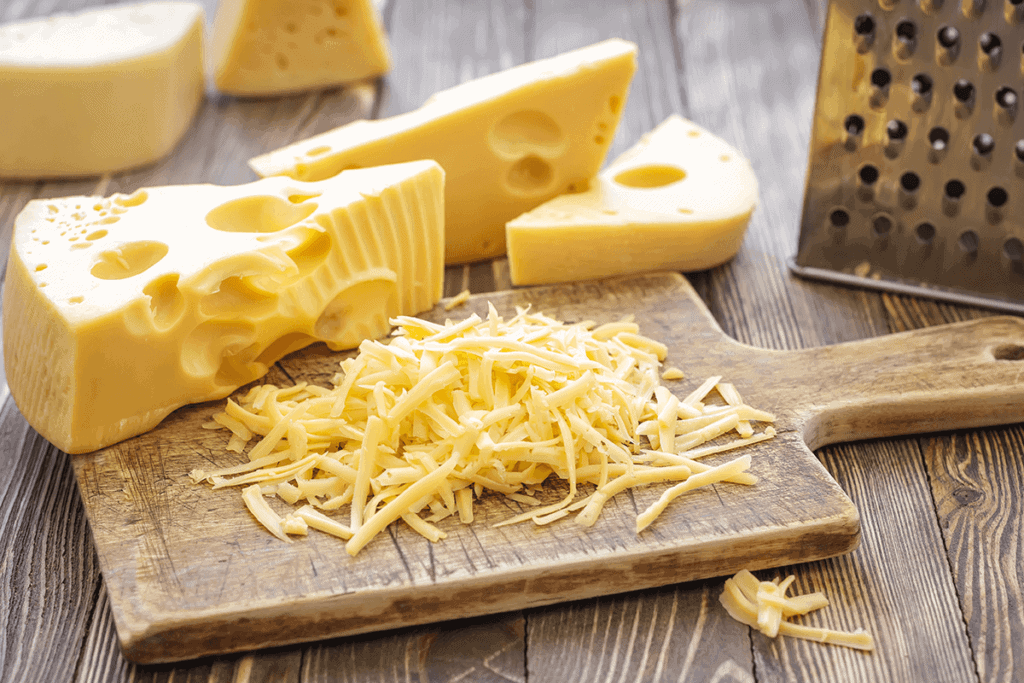
Triggering Foods
Generally, the following foods have caused headaches for people. Everyone is different and can react to foods differently, this list just shows an overview of some foods that have been proven through research to cause headaches. You may evaluate your own experiences as you read the list.Cheeses
All aged and mature cheeses. Because it is impossible to know the exact tyramine content, all cheeses should be avoided including but not limited to cheddar, Swiss, blue cheese, mozzarella, Parmesan, Romano, cheese spreads, cheese casseroles or any foods made with cheese.Yeast, brewer’s and extracts
This group includes brewer’s yeast, extracts such as Marmite and fresh homemade yeast-leavened bread; yeast found in prepared foods, soups, canned foods, and frozen foods should be checked for the addition of yeast abstracts and should be avoided.Meats/fish
Pork and all smoked, aged, pickled, fermented or marinated meats must be avoided including but not limited to pickled fish, pickled herring, meat extracts, livers, dry sausages or prepared meats such as salami, bologna, pepperoni, frankfurters, bacon, bologna, liverwurst, and ham.Also avoid
Chocolate, over-ripe bananas, citrus fruits (oranges and grapefruit), sauerkraut, broad fava beans, Italian beans, tofu, soy sauce, and miso soup.Beverages
Coffee, tea, cocoa, beer, ales (domestic and imported), wines (especially Chianti), vermouth, whiskey and liqueurs such as Drambuie and Chartreuse. Non-alcoholic varieties of beers and wines also should be avoided.Supplements to avoid
Yeast vitamin supplements, L-tyrosine, NADH. The ubiquitous flavor enhancer MSG must be avoided. Monosodium glutamate is directly associated with the onset of headaches in many people. According to George Schwartz, M.D., MSG is found in many common grocery items and is usually hidden in the ingredient label. The following list should help you avoid MSG and illustrate the fact that this substance is not only found in Chinese food.Definite sources of MSG
Hydrolyzed protein, sodium caseinate or calcium caseinate, autolyzed yeast or yeast extract, gelatin.Possible sources of MSG
Textured protein; carrageenan; vegetable gum seasonings; spices; flavorings; natural flavorings; flavorings of chicken, beef or pork; smoke flavorings; bouillon; broth or stock; barley malt; malt extract; malt flavoring; whey protein; whey protein isolate; soy protein isolate or concentrate; soy sauce or extract.What about caffeine?
Caffeine can cause headaches. If you are a coffee drinker that decided to quit and had that classic “caffeine withdrawal headache,” you know the pain-inducing power of this substance. Even the caffeine content in standard over-the-counter pain relievers can cause a rebound headache. When trying to kick the coffee habit, wait until the weekend or when time off from work is available. Next, try a coffee substitute product. Avoiding tannins may be helpful for some sufferers of headaches. Tannins are found in black tea, many herb teas, apple juice (though not apples), dates, kiwi, peach, berries, coffee, chocolate, carob, alfalfa, red wine, many alcoholic drinks, walnuts, and pecans. Other substances to avoid include hydrogenated oils, sugar, food additives (especially sulfites), alcohol and tobacco products.Other possible causes
Environmental allergies can play a role in the onset of headaches. Working with a progressive medical center to identify such allergies can result in a treatment called neutralization and desensitization, which can help alleviate headaches if it is part of the cause. Hormones may be the cause of your headaches. Sixty percent of women’s migraines are linked to their menstrual cycle. Migraine-type pain shortly before, during or after menstruation or at mid-cycle may indicate a variation in estrogen levels. Further, hormone neutralization/desensitization may be beneficial therapy when treating headaches. A knowledgeable holistic physician can identify such problems. Controlling blood sugar is an often overlooked yet important part of any headache treatment protocol. Never consuming carbohydrates alone, eating small frequent protein-rich meals, and avoiding all refined sugars and flours from one’s diet are just some of the steps to stabilizing blood sugar to head off a headache.
Supplements for headaches
Certain supplements can help ease that pain in your head. Doses of the following supplements should be tailored to each individual by a certified nutritionist.
- Fish oil: EPA/DHA blend
- Probiotic: Lactobacillus GG
- Ester-C
- Calcium
- Magnesium
- Vitamin B2
- Vitamin B complex
- Carnitine
- CoQ10
- Selenium
- Vitamin E
- Vitamin D
- Feverfew
- Rosemary extract
- Curcumin