

Skip to content
Fullscript leaf logo
Create account
Fullscript logo
Fullscript leaf logo
  • Solutions
    • Plan care
      Lab testing Offer end-to-end diagnostics.
      Supplement catalog Recommend healthcare’s best.
      Clinical decision support Optimize your patients’ plans.
      Evidence-based templates Build complete plans quickly.
    • Deliver care
      Online plans Send individual and multi-patient plans.
      Wholesale ordering Dispense supplements from your clinic.
    • Engage patients
      Patient experience See how patients thrive on Fullscript.
      Adherence & insights Keep patients on track with less effort.
      Patient promotions Offer savings, engage patients in a few clicks.
    • IntegrationsSee all integrations
  • Resources
    • Learn
      How to use Fullscript Explore quick demos, articles, and more.
      Wellness blog Education for practitioners and patients.
      Webinars 100+ recordings of practitioner discussions.
      Protocols Our library of evidence-based protocols.
      Clinical evidence Studies that support the Fullscript platform.
      Practice resources Handouts, promotional tools, and more.
      Ingredient library Decision support for supplement ingredients.
    • Featured
      lets make healthcare whole kyle feature image
      Let’s Make Healthcare Whole

      Learn how Fullscript is making whole person care more attainable, scalable, and impactful.

  • Pricing
Sign in Create account Book a demo Sign in

Learn from the experts advancing longevity and gain practical tools to guide your patients. Register now

Register now

Headaches: Hunting Down The Cause Of Your Pain

Updated on January 26, 2022 | Published on May 28, 2018
Fact checked
Dr. Ronald Hoffman, MD Avatar
Written by Dr. Ronald Hoffman, MD
  1. Wellness blog
  2. Headaches: Hunting Down The Cause Of Your Pain
Is your pain in the head pain in the neck? Stress, certain foods, food additives, and hormones can initiate headaches. Researchers have classified many different types of headaches that include sinus headaches, exertion headaches, fever headaches, menstrual headaches, and bilious headaches. To simplify let’s examine the three major categories of headaches.

Categories of headaches

Tension or muscle contraction headaches often are caused by anxiety and stress. These headaches are characterized by a dull pain that begins in the neck or back of the head and squeezes the forehead area. They are characteristically described as having a “rubber band” tightened around your head. Migraine or vascular headaches affect approximately 28 million people and four times more women than men. Migraines can begin suddenly or present with warning signs, such as aura. They are characterized by one-sided sharp throbbing pain that may induce vomiting, dizziness, and hypersensitivity to sounds and light. Cluster headaches, which also are vascular, affect approximately 1 million people per year in the United States. Cluster headaches usually cause pain on one side of the head, occur in groups or “clusters” and can last for days at a time.

man holding his head in pain

Common triggers

The following are common triggers for all types of headaches. Identify if in your own life you are experiencing headaches and are also experiencing the common triggers.

Anxiety and stress

Anxiety and stress are the most common triggers of headaches. Avoiding all controllable situations that commonly cause stress and tension, such as over-scheduling appointments and dodging upsetting confrontations and situations, may help you avoid some of your headaches. There are some steps you can take to help you handle the stressors in your life that you can’t directly control and help you avoid tension headaches. Stress reduction exercises—such as biofeedback, meditation, and yoga—can help you to become a stress survivor. Let’s not forget about moving the muscles below your head. Exercise is a great stress reducer.

Dietary allergies

Dietary allergies play a major role in the onset of headaches. Identification of allergens in your diet can result in the elimination of that cantankerous throbbing in your head. However, in clinical practice, I eliminate specific known headache triggers commonly found in one’s diet prior to receiving the results of allergy testing. Let’s explore some of the common dietary headache inducers. Casein A group of phosphoproteins in milk are commonly referred to as “casein.” Casein, which comprises 78.7 percent of all the protein in milk, is a major trigger of migraines and other types of headaches. Many practitioners eliminate all sources of casein in the headache sufferer’s diet. To eliminate all casein one must avoid all dairy and the many foods in which it is found. It is commonly listed as sodium caseinate, calcium caseinate or milk protein on many food labels. These three main ingredients are found in sports bars, sports drinks, packaged goods and commercial tuna fish in a can. (How do you think they pack tuna into a perfect hockey puck shape?) An excellent book on the effects of casein and headaches is How To Rid Your Body of Pain by Dr. Daniel Twogood. Tyramine Another common dietary headache trigger is tyramine. Tyramine is a phenolic amine found in various foods and beverages. The following list depicts tyramine sources that should be avoided.

cheese on a cutting board with graded cheese

Triggering Foods

Generally, the following foods have caused headaches for people. Everyone is different and can react to foods differently, this list just shows an overview of some foods that have been proven through research to cause headaches. You may evaluate your own experiences as you read the list.

Cheeses

All aged and mature cheeses. Because it is impossible to know the exact tyramine content, all cheeses should be avoided including but not limited to cheddar, Swiss, blue cheese, mozzarella, Parmesan, Romano, cheese spreads, cheese casseroles or any foods made with cheese.

Yeast, brewer’s and extracts

This group includes brewer’s yeast, extracts such as Marmite and fresh homemade yeast-leavened bread; yeast found in prepared foods, soups, canned foods, and frozen foods should be checked for the addition of yeast abstracts and should be avoided.

Meats/fish

Pork and all smoked, aged, pickled, fermented or marinated meats must be avoided including but not limited to pickled fish, pickled herring, meat extracts, livers, dry sausages or prepared meats such as salami, bologna, pepperoni, frankfurters, bacon, bologna, liverwurst, and ham.

Also avoid

Chocolate, over-ripe bananas, citrus fruits (oranges and grapefruit), sauerkraut, broad fava beans, Italian beans, tofu, soy sauce, and miso soup.

Beverages

Coffee, tea, cocoa, beer, ales (domestic and imported), wines (especially Chianti), vermouth, whiskey and liqueurs such as Drambuie and Chartreuse. Non-alcoholic varieties of beers and wines also should be avoided.

Supplements to avoid

Yeast vitamin supplements, L-tyrosine, NADH. The ubiquitous flavor enhancer MSG must be avoided. Monosodium glutamate is directly associated with the onset of headaches in many people. According to George Schwartz, M.D., MSG is found in many common grocery items and is usually hidden in the ingredient label. The following list should help you avoid MSG and illustrate the fact that this substance is not only found in Chinese food.

Definite sources of MSG

Hydrolyzed protein, sodium caseinate or calcium caseinate, autolyzed yeast or yeast extract, gelatin.

Possible sources of MSG

Textured protein; carrageenan; vegetable gum seasonings; spices; flavorings; natural flavorings; flavorings of chicken, beef or pork; smoke flavorings; bouillon; broth or stock; barley malt; malt extract; malt flavoring; whey protein; whey protein isolate; soy protein isolate or concentrate; soy sauce or extract.

What about caffeine?

Caffeine can cause headaches. If you are a coffee drinker that decided to quit and had that classic “caffeine withdrawal headache,” you know the pain-inducing power of this substance. Even the caffeine content in standard over-the-counter pain relievers can cause a rebound headache. When trying to kick the coffee habit, wait until the weekend or when time off from work is available. Next, try a coffee substitute product. Avoiding tannins may be helpful for some sufferers of headaches. Tannins are found in black tea, many herb teas, apple juice (though not apples), dates, kiwi, peach, berries, coffee, chocolate, carob, alfalfa, red wine, many alcoholic drinks, walnuts, and pecans. Other substances to avoid include hydrogenated oils, sugar, food additives (especially sulfites), alcohol and tobacco products.

Other possible causes

Environmental allergies can play a role in the onset of headaches. Working with a progressive medical center to identify such allergies can result in a treatment called neutralization and desensitization, which can help alleviate headaches if it is part of the cause. Hormones may be the cause of your headaches. Sixty percent of women’s migraines are linked to their menstrual cycle. Migraine-type pain shortly before, during or after menstruation or at mid-cycle may indicate a variation in estrogen levels. Further, hormone neutralization/desensitization may be beneficial therapy when treating headaches. A knowledgeable holistic physician can identify such problems. Controlling blood sugar is an often overlooked yet important part of any headache treatment protocol. Never consuming carbohydrates alone, eating small frequent protein-rich meals, and avoiding all refined sugars and flours from one’s diet are just some of the steps to stabilizing blood sugar to head off a headache.
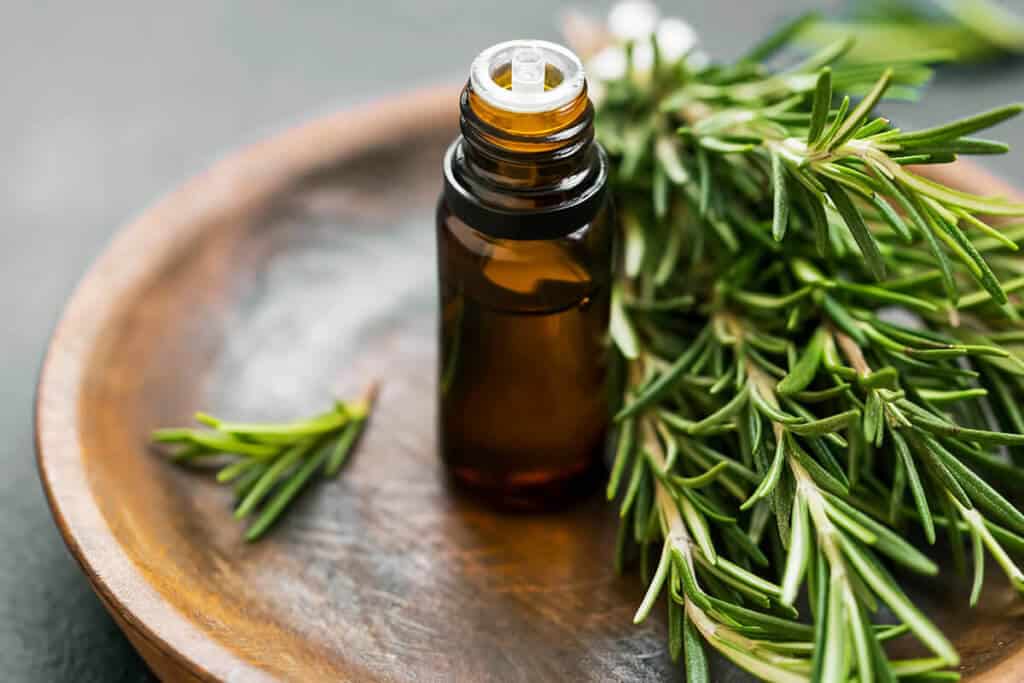
Rosemary extract and in essential oil form in bottle

Supplements for headaches

Certain supplements can help ease that pain in your head. Doses of the following supplements should be tailored to each individual by a certified nutritionist.

  • Fish oil: EPA/DHA blend
  • Probiotic: Lactobacillus GG
  • Ester-C
  • Calcium
  • Magnesium
  • Vitamin B2
  • Vitamin B complex
  • Carnitine
  • CoQ10
  • Selenium
  • Vitamin E
  • Vitamin D
  • Feverfew
  • Rosemary extract
  • Curcumin
Some other causes of headaches that need to be examined include TMJ (temporomandibular joint) syndrome, brain tumor, spinal misalignment, overdoses of vitamin A and hypertension. It is imperative to see a doctor if you are suffering from headaches. According to the National Headache Foundation, your genes may play a role in you becoming a migraine victim. If both your parents had migraines, you have a 75 percent chance of inheriting that pain. If only one parent is a migraine sufferer, your risk drops to 50 percent. If a distant relative has migraines, your risk sinks to 20 percent.

Examining headaches in studies

Migraines may damage part of the brain that responds to pain and activates the fight-or-flight response. According to a recent study, scientists imaging the brain have found that blood flow to certain parts of the brain increases dramatically during the course of a migraine. Researchers at the University of Kansas Medical Center found that migraine and chronic headache sufferers had more iron in a part of the brain called the periaqueductal gray region than those without headaches. The researchers mapped the brains of 51 subjects divided into three groups: 17 without migraines, 17 with migraines and 17 with episodic migraines that progressed into a condition called chronic daily headache. They used magnetic resonance imaging in combination with a technique to map changes in the concentration of iron. According to researchers, the concentration of iron corresponds to the amount of damage—more iron indicates the potential for free radical damage.  The periaqueductal gray region sits in the brain stem, which extends up from the spinal cord and controls many involuntary processes. One of its main functions is to diminish pain. Researchers postulate that chronic migraines can lead to increased sensitivity to pain, even when they don’t have a headache. K. Michael Welch, the vice chancellor of research at the University of Kansas Medical Center, believes that through future studies are needed, we should be very aggressive about preventing migraines.

The bottom line

It is important to know the different types of headaches so that you can help your patients, optimize their health and wellness. Understanding the common triggers, the symptoms, and the natural options there are, really can make headaches go away.

Simplify the delivery of whole person care

Create free account I'm a patient

Author

Dr. Ronald Hoffman, MD Avatar
Written by Dr. Ronald Hoffman, MD

Disclaimer

The information in this article is designed for educational purposes only and is not intended to be a substitute for informed medical advice or care. This information should not be used to diagnose or treat any health problems or illnesses without consulting a doctor. Consult with a health care practitioner before relying on any information in this article or on this website.

SHARE THIS POST
  • Print
  • Email
  • Facebook
  • LinkedIn
  • Twitter
  • Pinterest

More resources

Protocols
Practice resources
Ingredient library
Webinars

Make healthcare whole with Fullscript

Join 100,000+ providers building the future of whole person care today.

Create free account

Read more articles

Updates
—Precision Point Diagnostics Now Part of the Fullscript Labs Catalog
New diagnostic tests from Precision Point Diagnostics are now available through Fullscript’s special...
Updates
—Targeted Probiotics for Targeted Outcomes: A Guide for Healthcare Providers
The probiotic market is growing fast as research highlights gut health. Strain-specific benefits mak...
Updates
—Patient Feedback Systems in Healthcare: A Practical Framework for Clinical Leaders
Transform patient feedback into care improvement with this evidence-based, 4-phase framework designe...

Fullscript content philosophy

At Fullscript, we are committed to curating accurate, and reliable educational content for providers and patients alike. Our educational offerings cover a broad range of topics related to whole person care, such as supplement ingredients, diet, lifestyle, and health conditions.

Medically reviewed by expert practitioners and our internal Medical Advisory Team, all Fullscript content adheres to the following guidelines:

  1. In order to provide unbiased and transparent education, information is based on a research review and obtained from trustworthy sources, such as peer-reviewed articles and government websites. All medical statements are linked to the original reference and all sources of information are disclosed within the article.
  2. Information about supplements is always based on ingredients. No specific products are mentioned or promoted within educational content.
  3. A strict policy against plagiarism is maintained; all our content is unique, curated by our team of writers and editors at Fullscript. Attribution to individual writers and editors is clearly stated in each article.
  4. Resources for patients are intended to be educational and do not replace the relationship between health practitioners and patients. In all content, we clearly recommend that readers refer back to their healthcare practitioners for all health-related questions.
  5. All content is updated on a regular basis to account for new research and industry trends, and the last update date is listed at the top of every article.
  6. Potential conflicts of interest are clearly disclosed.
Learn more
Fullscript leaf icon
Platform
  • What’s new
  • Integrations
  • Testimonials
  • Catalog
Company
  • About us
  • Blog
  • Why Fullscript
  • Careers
  • Partnerships
  • Quality program
Help
  • Book a demo
  • Support Center
  • Provider FAQs
  • Patient FAQ
  • Contact us
  • Security
Developers
  • Engineering at Fullscript
  • API

© Fullscript 2025. All rights reserved.

*These statements have not been evaluated by the Food and Drug Administration. These products are not intended to diagnose, treat, cure, or prevent any disease.

  • Privacy Statement
  • Terms of Service
  • Accessibility Policy
  • Customer Support Policy
  • Acceptable Use Policy
  • Privacy Rights Notice
  • Auto Refill Terms and Conditions
  • Consumer Health Data Privacy Notice
American flag - toggles to show american specific contentUS
Canadian flag - toggles to show canada specific contentCanada